
The Wars of the Roses
The Wars of the Roses were NOT a Lancashire versus Yorkshire war.
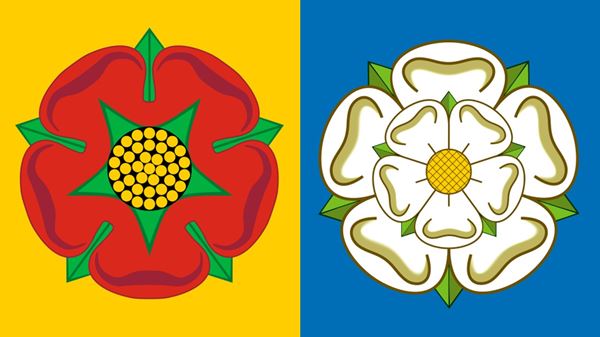
Although the names suggest a regional rivalry, people from both counties fought on both sides. The conflict was really a struggle for the English throne between two branches of the royal Plantagenet family: Lancaster and York.
The red rose became associated with the House of Lancaster, while the white rose represented the House of York. These symbols gave the wars their later name, but at the time people usually called them the Civil Wars.
Did you know?...
NO battles and very few major events of the Wars of the Roses took place in Lancashire.
That is why the local history gallery at Lancaster City Museum gives only a brief overview of the national conflict.
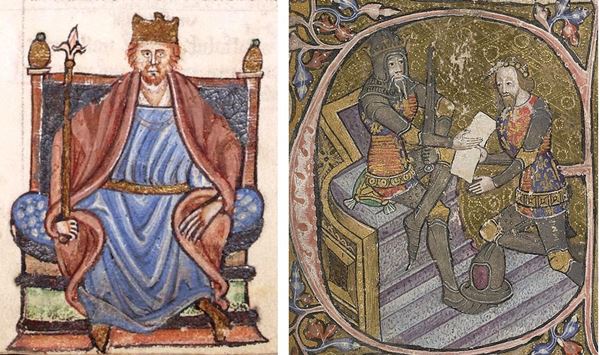
The Plantagenets had ruled England since Henry II came to the throne in 1154. Their kings once controlled large territories in France as well as England, and several became famous warrior kings.
Edward I conquered Wales and fought in Scotland and France. His grandson Edward III made England one of Europe’s leading military powers, winning major victories during the Hundred Years’ War.
After Edward III’s line split into different branches, rival families could claim descent from the same royal house. This created the conditions for a later struggle over who had the strongest right to rule.
When Richard II was deposed in 1399, the Lancastrian branch took the throne. Decades later, the Yorkist branch challenged that rule.
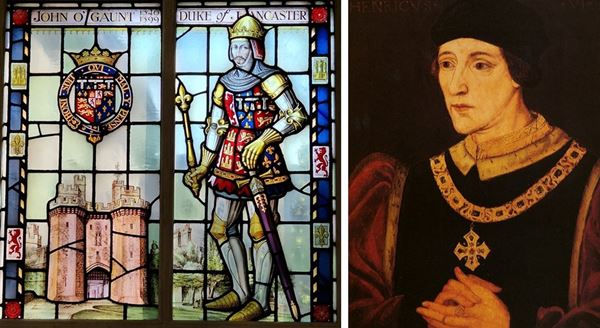
The House of Lancaster began with Edmund Crouchback, second son of Henry III. Over time, the family gained great wealth, land and influence.
John of Gaunt, son of Edward III, strengthened the family by marrying Blanche of Lancaster. Their son became Henry IV after taking the throne in 1399. The Lancastrian kings were Henry IV, Henry V and Henry VI.
Henry V won glory in France, especially at Agincourt, and conquered Normandy. His son Henry VI faced a very different reign: weak royal authority, military losses in France and periods of mental illness. These problems helped fuel political conflict.
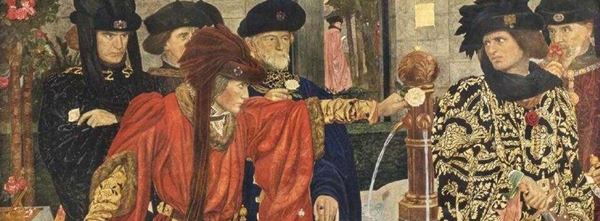
The House of York descended from Edmund of Langley, another son of Edward III. Through marriage, it also gained a claim from an older line of Edward III’s descendants, giving the Yorkists a strong case for the crown.
Richard, 3rd Duke of York, became frustrated by the loss of English lands in France and by the influence of Henry VI’s supporters. York served as protector of the realm for a period, but was removed from this position and his reforms were reversed in 1454, rivalry at court moved closer to open war.
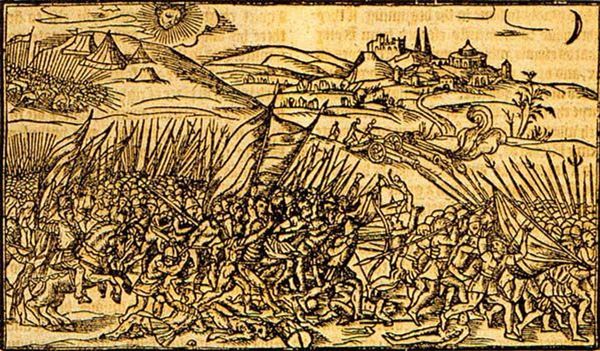
Fighting began at the First Battle of St Albans in 1455. At first, Richard of York aimed to remove his enemies from influence over Henry VI. By 1460, however, he claimed the throne for himself.
Richard was killed at Wakefield, but his son Edward continued the Yorkist claim. Edward won major victories, including Towton, the bloodiest battle on English soil, in 1461, and became Edward IV.
Power shifted again in the 1470s. Henry VI was briefly restored, but Edward IV returned and defeated Lancastrian forces at Barnet and Tewkesbury. Sir James Harrington, a knight with Lancashire connections, fought for the Yorkist king at Tewkesbury, bringing with him 600 men from Lancashire and Cumbria.
After Edward IV died in 1483, his young son Edward V disappeared in the Tower of London. Edward V’s uncle became Richard III.
In a further twist in 1485, Henry Tudor defeated Richard III at Bosworth, ending Plantagenet rule and beginning the Tudor dynasty. The conflict had reshaped royal power in England - but it was never simply Lancashire against Yorkshire.


